
Another piece of Stafford County has been permanently protected from development.
Stafford County officials, the Northern Virginia Conservation Trust, Marine Corps Base Quantico representatives and community partners recently gathered to celebrate the preservation of approximately 20 acres known as Tank Creek Preserve.
Chairman Deuntay Diggs joined longtime Stafford resident Joyce Arndt, Northern Virginia Conservation Trust Executive Director Alan Rowsome, Quantico leadership and others for the event.
The announcement adds another piece of protected land to a county that reports approximately 16,938 acres protected from residential development, along with 4,342 retired development rights.
But Tank Creek Preserve has a story that goes far beyond those numbers.
The nearly 20 acre forest sits near Widewater State Park and immediately south of Marine Corps Base Quantico, in an area connected to the historic Chelsea estate, the family of Founding Father George Mason, Stafford's early industries, Quantico's massive World War II expansion and decades of conservation efforts.
Unlike many undeveloped properties in a rapidly changing Stafford County, this land is now intended to remain protected permanently.
What Is Tank Creek Preserve?
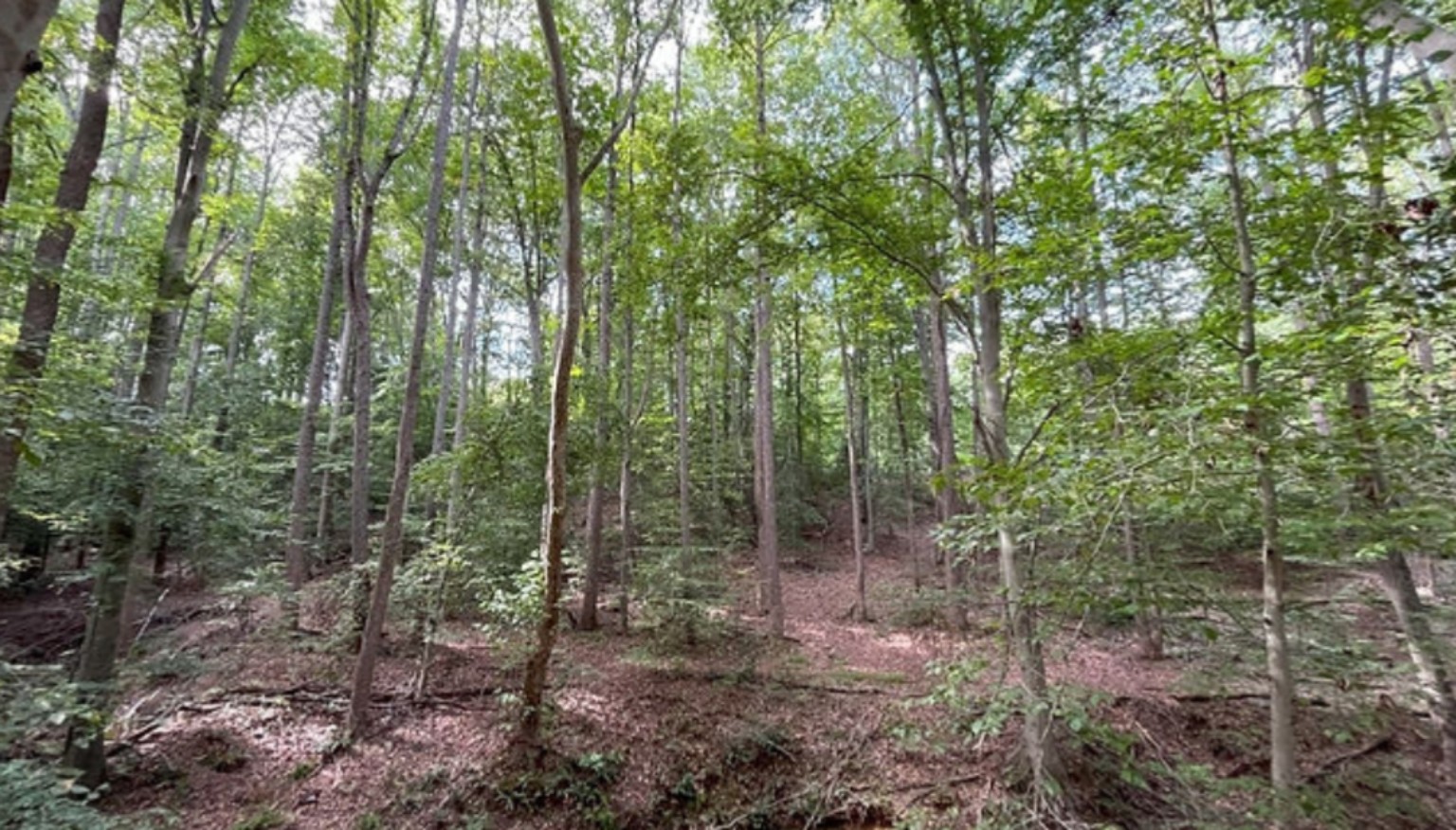
Tank Creek Preserve consists of approximately 19.5 acres of predominantly forested land.
NVCT describes the property as containing mature hardwood forest, a natural spring and a stream. The forest includes American beech, northern red oak, chestnut oak, white oak, hickory, American holly, tulip poplar and American hornbeam.
Wildlife documented in the area includes Eastern box turtles, foxes, deer, butterflies, woodpeckers and other species.
NVCT says portions of the property have been identified by the Virginia Department of Forestry as having outstanding conservation importance. The property also ranks highly under Virginia's conservation analysis for natural habitat and ecosystem diversity.
Tank Creek and the surrounding watershed are part of the larger system that ultimately connects with the Potomac River. But environmental protection is only one reason this property is interesting. Its documented history reaches back more than two centuries.
The Land Was Once Part of the Historic Chelsea Estate
According to NVCT, today's Tank Creek Preserve was originally part of the historic Chelsea estate, associated with General George Mason Cooke, who was born in 1792.
Cooke was a grandson of George Mason, one of Virginia's most important Founding Fathers. George Mason authored the Virginia Declaration of Rights of 1776, whose protections for individual liberty influenced later American declarations of rights and the United States Bill of Rights.
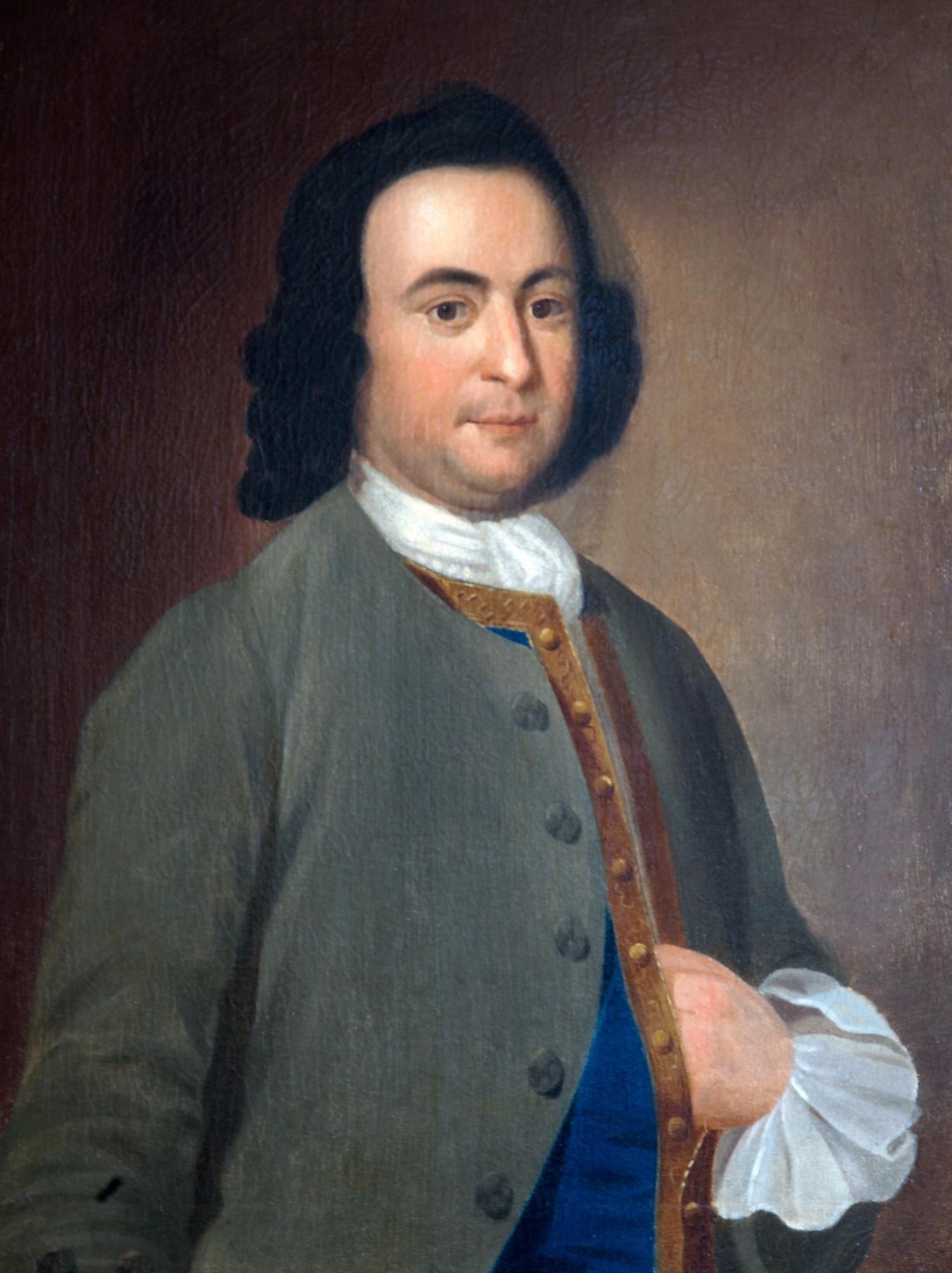
This small piece of preserved Stafford forest therefore has a documented connection to a family that played a significant role in Virginia and early American history.
Chelsea Was Established More Than 200 Years Ago
Discover Stafford's historical research places the construction of Chelsea around 1818 to 1819 in the Widewater area.
George Mason Cooke was the son of Col. John Travers Cooke and Mary Thomson Mason. The family participated in several industries important to early Stafford County, including farming, timbering, fishing and freestone quarrying along Aquia Creek.
The Aquia area became especially important because its sandstone was used extensively during the development of Washington, D.C. NVCT identifies Cooke's father, John Travers Cooke, as an important supplier of freestone used in Washington construction.
The landscape surrounding today's preserve was not simply untouched wilderness. It was part of a larger working landscape tied to Stafford's early economy and the development of the nation's capital.
George Mason Cooke Became a Stafford Leader
Discover Stafford records Cooke serving in Stafford County's 45th Regiment of Virginia militia beginning in 1812. He was listed as an ensign in 1812, later became a major and colonel, and by 1829 was identified as a brigadier general.
Cooke also represented Stafford County in the Virginia House of Delegates and served as a Stafford magistrate during the 1830s.
His fortunes later declined. Historical accounts indicate that Cooke experienced financial difficulties and spent time managing a gold mine in Goochland County before returning to Stafford. He later lived at Woodford on Garrisonville Road.
Cooke died in 1866. His burial location remains unknown.
Quantico Changed This Part of Stafford
More than a century after Chelsea was established, another event dramatically transformed the surrounding landscape.
After the United States entered World War II, the Marine Corps needed substantially more training territory around Quantico. In 1942, the federal government began acquiring tens of thousands of additional acres across Stafford, Prince William and Fauquier counties.
Discover Stafford's historical research describes approximately 30,000 acres in Stafford County alone as being affected by the expansion. The federal government filed a condemnation action in October 1942.
Families living within the affected territory were forced to relocate as farms, homes, churches and entire communities became part of the expanded military reservation. Discover Stafford identifies Chelsea among the historic Stafford properties affected by the Quantico expansion.
Today, Tank Creek forms part of Marine Corps Base Quantico's southern boundary. A surviving piece of the historic Chelsea landscape now sits beside the military installation whose expansion transformed much of the surrounding area more than 80 years ago.
There May Be Even Older History Around Tank Creek
Federal archaeological research has examined portions of the Potomac River and Tank Creek area near the southern end of Quantico.
Researchers documented quartz and quartzite cobbles and gravel in the area, materials that prehistoric inhabitants of Virginia sometimes used to manufacture stone tools. Researchers also identified a historic landscape feature near the confluence of Tank Creek and the Potomac River that they said may represent a gun emplacement from the Civil War.
That research does not establish that a prehistoric site or Civil War emplacement exists within the exact 19.5 acre Tank Creek Preserve. The findings concern the broader Tank Creek area, including federal property at Quantico.
Then Came Joyce Arndt
The modern chapter of Tank Creek's story centers on longtime Stafford resident Joyce Arndt.
Joyce and her husband Ray moved to Stafford County in 1970. Over the following decades, the Arndt family treated the Tank Creek property as their own small nature preserve. They walked through the woods, watched birds, and Joyce and her son helped clean the stream crossing the property.
While Stafford County changed dramatically around them, this piece of forest remained largely intact. Eventually Joyce faced a question many Stafford property owners encounter: What happens to the land after me?
NVCT says Joyce received substantially higher offers from developers. She could have pursued the property's development value. Instead, she chose conservation and worked with NVCT to protect the property for future generations.
Preserving the Property Required a Partnership
Saving Tank Creek was not accomplished by one organization.
The Virginia Outdoors Foundation awarded NVCT $110,653 through its Preservation Trust Fund for the Tank Creek Access Protection Project. Virginia's grant announcement describes the project as acquisition of an undeveloped 19.5 acre property from a willing conservation minded seller.
Private support also played a role. NVCT reported assistance from the White House Farm Foundation, with support associated with the Plein Family Foundation and Trust, including a campaign to match public contributions. Individual donors contributed as well.
- Northern Virginia Conservation Trust
- Virginia Outdoors Foundation
- Stafford County
- Marine Corps Base Quantico
- Virginia Department of Conservation and Recreation
- Friends of Widewater State Park
- George Washington Regional Commission
- Private foundations and individual donors
Protected open space near military installations can provide a buffer between military operations and incompatible surrounding development. Tank Creek Preserve therefore provides environmental protection while preserving open space immediately adjacent to one of the country's major Marine Corps installations.
Stafford County Became Part of the Permanent Protection
In March 2026, the Board of Supervisors considered an open space easement involving Tank Creek Preserve. The Board approved Stafford County's participation as a joint holder of an open space easement on the forested property.
There is a major difference between land simply remaining undeveloped and land being permanently conserved. A property can remain forested for decades and still eventually be sold for development. A conservation easement places legal restrictions on the land designed to survive changes in ownership.
Protecting Tank Creek is not simply a promise that today's owner does not intend to develop it. The conservation structure is intended to protect the property for future generations.
Will People Be Able to Visit Tank Creek?
Tank Creek is not expected to function like a conventional Stafford County neighborhood park with unrestricted daily access.
NVCT has described plans to manage the property as a nature preserve. The organization has conducted stewardship work that includes removing trash and invasive plants and establishing or marking appropriate trails.
NVCT has also discussed opening the preserve to the public several times each year for guided naturalist hikes, potentially in cooperation with the Virginia Department of Conservation and Recreation. Future access will depend on stewardship planning, funding and the need to protect the property's natural resources.
How Much of Stafford Is Already Protected?
Stafford County reported in 2026 that approximately 16,938 acres will not be developed with residential lots, with approximately 4,342 retired development rights associated with the County's broader conservation picture.
Those numbers do not mean Stafford County government purchased 16,938 acres. The total includes conservation easements, properties protected through Stafford's Purchase of Development Rights program, state owned conservation properties, Stafford County parkland, and properties involved in Stafford's Transfer of Development Rights program.
Large protected areas such as Crow's Nest Natural Area Preserve and Widewater State Park contribute to the total.
According to County information released in 2026, Stafford's Purchase of Development Rights program had preserved approximately 1,384 acres of farm and forest land and retired approximately 336 development rights.
What Does Retiring Development Rights Mean?
Imagine a rural property where existing zoning might potentially allow several residential lots. If the property is permanently protected through an appropriate conservation program, some or all of those potential development rights can be extinguished.
The land remains privately owned in many cases. It can sometimes continue being farmed or used in other ways permitted by the conservation agreement. But the residential development potential that was removed cannot simply be recreated by a future owner.
That is why Stafford tracks not only preserved acreage but also retired development rights. From a growth management perspective, those measurements tell different parts of the story.
Tank Creek Represents Only 20 Acres, But Its Story Is Much Larger
Twenty acres will not determine Stafford County's future. In a county containing hundreds of square miles, Tank Creek Preserve represents a very small piece of land. But its history illustrates something much larger.
More than 200 years ago, this land formed part of the landscape associated with Chelsea and George Mason Cooke. The Cooke and Mason families participated in Stafford's early economy and public life. The surrounding landscape changed dramatically when Quantico expanded during World War II.
Beginning in the 1970s, Joyce Arndt and her family cared for this particular piece of Stafford as development spread elsewhere. When the time eventually came to decide its future, Joyce could have pursued offers from developers. She chose preservation instead.
Government agencies, conservation organizations, private foundations, military representatives and individual donors then worked together to make that decision permanent.
Today, the trees remain. The spring remains. Tank Creek continues toward the Potomac. And a small surviving piece of a landscape connected to more than two centuries of Stafford history is now intended to remain undeveloped.
As Stafford continues debating where thousands of future homes, businesses, roads, data centers and other development should go, Tank Creek offers the other side of that conversation.
Growth determines what Stafford builds. Conservation determines what Stafford keeps.
For these nearly 20 acres, that decision has now been made.
Sources, documents & image credits
Read the original record
Northern Virginia Conservation Trust: Tank Creek PreservePreserve history, ecology, partners and access plans · Open original source ↗Northern Virginia Conservation Trust: Joyce ArndtNovember 21, 2024 · Open original source ↗Virginia Outdoors Foundation grant announcementJune 13, 2024 · Open original source ↗Stafford County land conservation programsCounty conservation information · Open original source ↗Discover Stafford historic resourcesChelsea, George Mason Cooke and Quantico expansion history · Open original source ↗George Mason's Gunston HallGeorge Mason biography and family history · Open original source ↗Support Save Stafford
Independent local information. No paywalls. No advertising.Research like this takes time and sometimes requires obtaining public records. Community support helps Save Stafford continue making this information freely available.
No subscription required. Contribute only if you choose. Financial contributions do not purchase editorial influence.