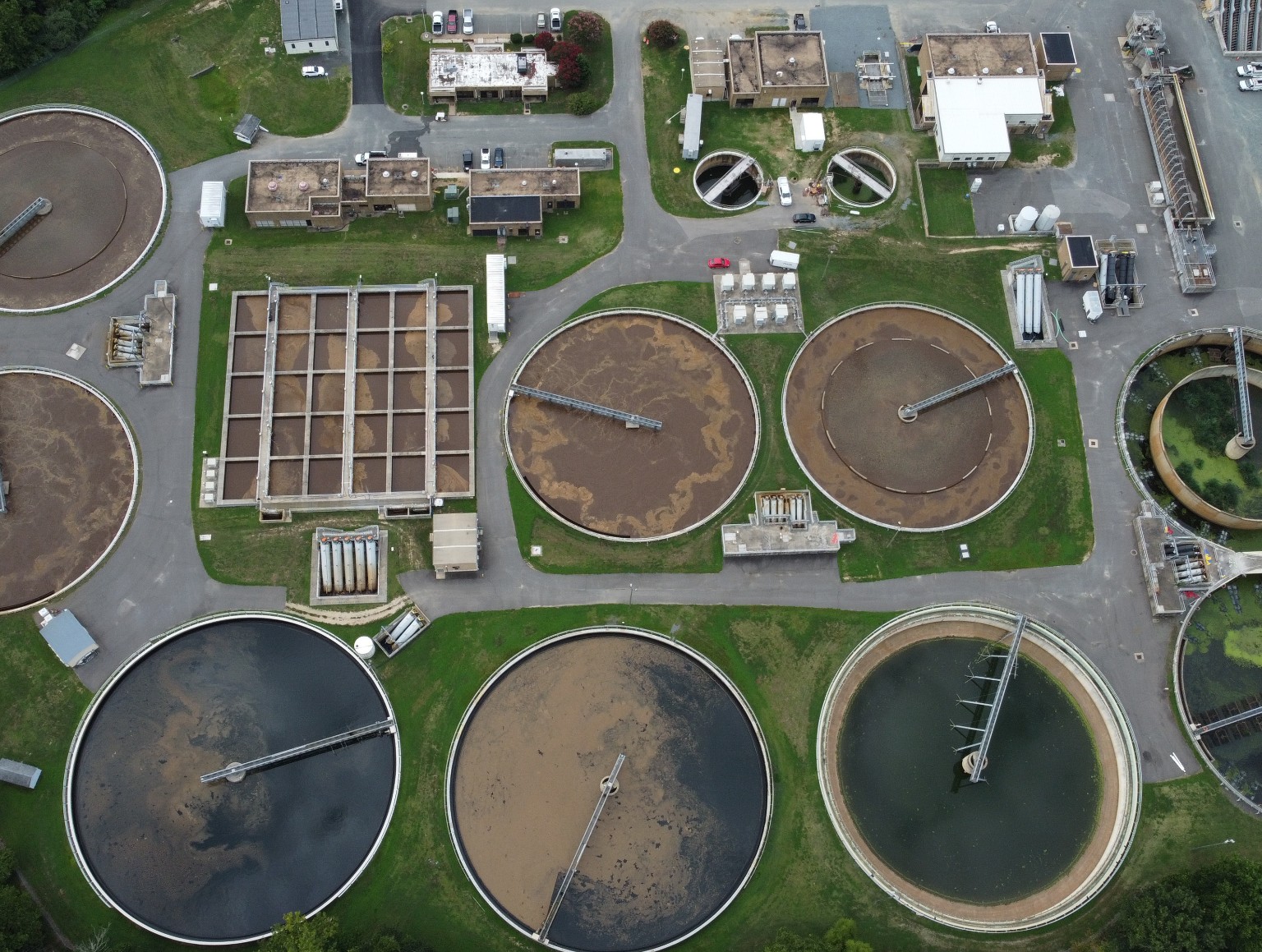
Stafford County is building a major reclaimed water system in northern Stafford that will provide industrial cooling water to some of the county’s largest data center developments. Reusing treated wastewater instead of drinking water can preserve potable capacity. But construction also requires utility easements, and the Potomac Church development documents anticipated that some might not be obtained voluntarily.
When publicly owned infrastructure substantially supports private data center development, when should Stafford use eminent domain to obtain the property rights needed to build it?
What Stafford County is building
The County identifies the project as the Northern Reuse Water & Return Wastewater Mains. Its permit describes approximately 27,000 linear feet each of 12-inch and 24-inch reuse pipeline and a 16-inch return force main. The system will convey reclaimed water from the Aquia Wastewater Treatment Plant. The permit names Amazon Data Services’ Potomac Church project and STACK Infrastructure’s Stafford Technology Campus as intended users, along with other potential nearby users. It says the route will generally follow existing utility easements and rights-of-way where possible and describes a 40-foot easement for ongoing maintenance.
The data center connection is direct and documented by the County. The permit establishes a proposed corridor and intended users; it does not identify every final easement transaction or establish that condemnation has occurred.
Why reclaimed water matters
Industrial cooling can create substantial water demand. Using treated wastewater for suitable industrial purposes can reduce demand on the drinking-water system and make productive use of a treated resource. That is a real potential public benefit. Residents should also be able to examine the system’s capacity, customer commitments, construction costs, rates, maintenance obligations, and property acquisitions.
Amazon’s Potomac Church development
Amazon Data Services is the applicant for Potomac Church Tech Center. Earlier project proffers included a $7 million contribution toward a public reclaimed-water distribution system, including a pumping station, Aquia plant improvements, and roughly 2.5 miles of pipeline. Later development arrangements refined the utility work. The reuse system and data center development were planned together.
What an easement means for a property owner
A utility easement generally gives the easement holder defined rights over part of a property without transferring ownership of the entire parcel. Those rights may cover construction, operation, inspection, maintenance, repair and replacement. Temporary construction easements may be needed during installation. The precise restrictions and restoration duties depend on the recorded documents and plans.
The August 22, 2024 AWS–Stafford water and wastewater infrastructure agreement (PDF) is more explicit than a general possibility. Section 1.1(b), page 3, says Amazon will use commercially reasonable efforts to obtain the property rights and easements needed to build the permanent cooling-water infrastructure. If it cannot purchase or otherwise obtain those rights from owners other than Amazon or its affiliates, Amazon “will request” that Stafford acquire them using condemnation powers. The agreement then says Stafford “will promptly and diligently pursue” the acquisition upon that request, consistent with applicable law and Section IV(E) of the Potomac Church proffers.
Amazon must reasonably cooperate during condemnation proceedings and reimburse the County for reasonable, necessary and documented condemnation costs, as provided by the proffers. This is a contractual expectation that goes beyond merely allowing Amazon to ask for help. Amazon cannot itself exercise Stafford County’s condemnation power. The agreement does not condemn any parcel, identify an approved taking, or override Virginia’s legal requirements for public use and compensation. The referenced proffer section should be reviewed alongside the agreement for the complete acquisition procedure and cost terms.
Public infrastructure with private customers
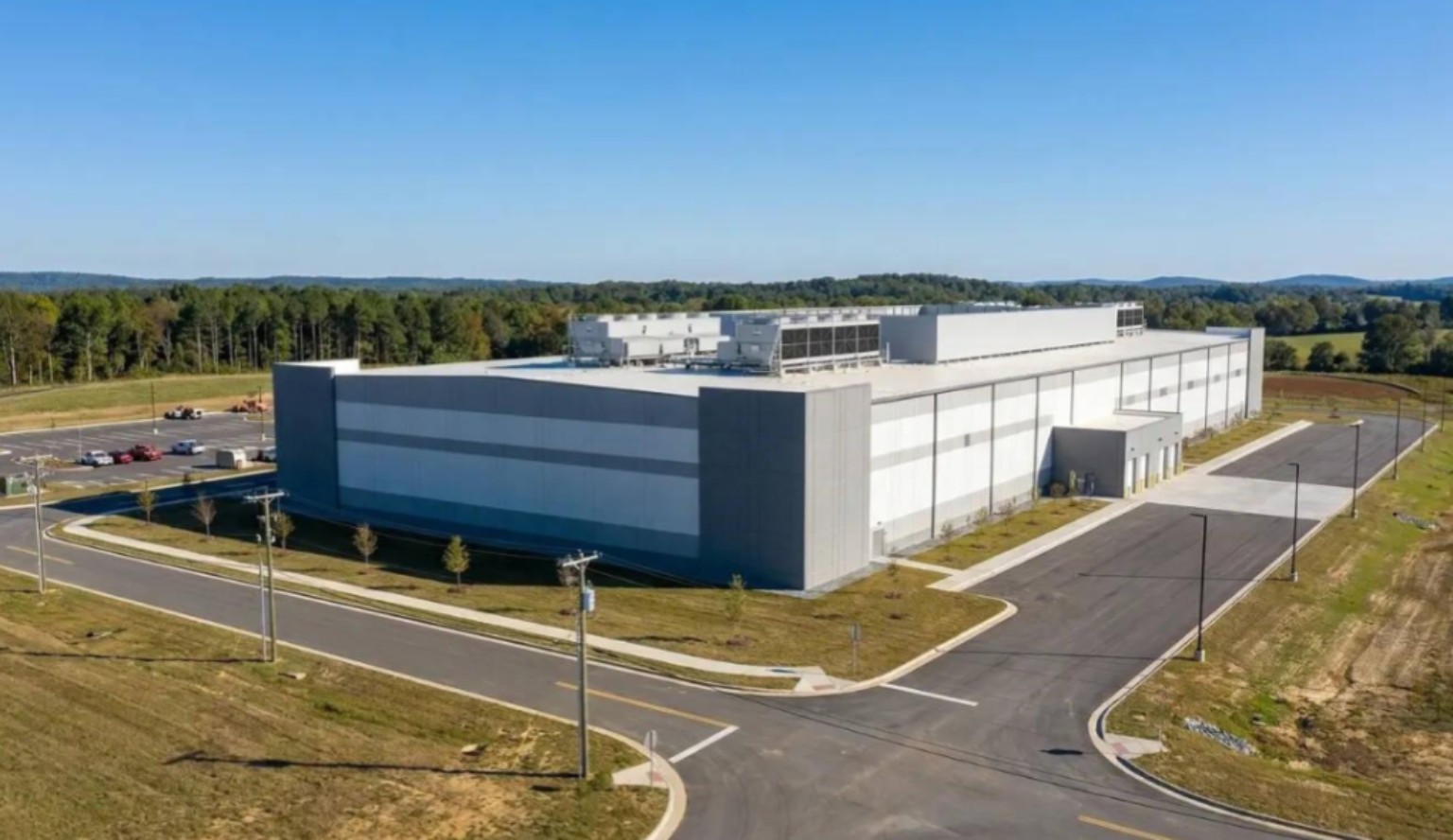
It would be misleading to call this simply a private Amazon pipeline. The proposed facilities are intended for Stafford’s public utility system and may serve other customers. Developer-financed improvements could become public assets, and selling reclaimed water could produce utility revenue. Those potential benefits should be weighed against the extent of private customer demand and the effects on affected landowners.
Amazon has said it and STACK are investing more than $300 million in Stafford water infrastructure, including Aquia-related improvements and reclaimed-water infrastructure. That is a developer statement about investment, not a verified accounting of the County’s full lifecycle cost or revenue. Prior County discussions reportedly put roughly 90–95% of available reuse capacity as spoken for by Potomac Church and Stafford Technology Campus. That historical estimate should not be treated as a current allocation without updated capacity and service agreements.
Could the system enable more development?
Reuse infrastructure may also affect future development decisions. Other Stafford applications have discussed possible connections to reuse infrastructure and an approximately 550,000-gallon “purple water” capacity figure. A reference in an application does not establish that capacity is currently uncommitted or available to any particular project. Residents should ask for current engineering capacity and contractual commitments when reviewing future data center proposals.
Who ultimately pays?
Stafford should publish an accounting that separates construction of the pipelines and plant upgrades from acquisition of easements, condemnation counsel, any additional court-awarded compensation, long-term operation and maintenance, and projected utility revenue. It should identify which costs fall on Amazon, STACK, the utility system or taxpayers. Private funding of construction alone cannot answer the full financial question.
Why “quick take” deserves special attention
Quick take concerns when the government may obtain possession and proceed with work while final compensation is still being resolved; it does not eliminate the property owner’s right to compensation. The August 2024 AWS–Stafford agreement does not mention quick take. If Stafford separately proposes using that procedure, residents should see the legal authority, parcel-specific necessity, reasons negotiations failed, and project schedule rationale in the actual Board materials. The agreement’s condemnation clause is not itself evidence that quick take has been approved for this pipeline.
Questions Stafford should answer before exercising that power
- Which parcels and permanent and temporary easements are affected, and where are the exact maps?
- How many easements have been obtained voluntarily, and what issues remain in dispute?
- Who pays owners, legal costs and any compensation above the initial estimate?
- How much reuse capacity is committed to Potomac Church and Stafford Technology Campus, and how much remains?
- How much drinking water will the facilities use before reuse service is operational?
- What are the expected rates, utility revenue and future maintenance costs?
- If quick take is proposed, why is it needed instead of continued negotiations or ordinary condemnation?
The broader issue
Reclaimed water can protect potable capacity, and developer-financed facilities can deliver public value. Eminent domain is also one of the government’s strongest powers over private property. Both facts warrant attention. The public should see the specific public benefits, financing, capacity commitments and acquisition record before Stafford uses that power to complete infrastructure serving major private customers.
County records establish the pipeline’s intended data center customers. They do not, by themselves, establish that any particular property has already been condemned or that quick take has been authorized. Save Stafford will update this report as parcel-level, financial and utility documents become available.
Official meeting information
Supervisors are scheduled to meet September 15, 2026. Residents should check the County’s live agenda portal for the meeting packet, any proposal involving easements or quick take, and changes to the agenda before attending or commenting.
Sources, documents & image credits
Read the original record
AWS–Stafford Water and Wastewater Infrastructure Agreement — August 22, 2024 (PDF), Section 1.1(b), page 3Reviewed September 14, 2026 · Open original source ↗Stafford County permit — Northern Reuse Water & Return Wastewater MainsReviewed September 14, 2026 · Open original source ↗Stafford County Board of Supervisors — meeting agendas and supporting documentsReviewed September 14, 2026 · Open original source ↗Support Save Stafford
Independent local information. No paywalls. No advertising.Research like this takes time and sometimes requires obtaining public records. Community support helps Save Stafford continue making this information freely available.
No subscription required. Contribute only if you choose. Financial contributions do not purchase editorial influence.